





The Work Behind the Wins

Commercial insight from inside real bid teams.
How disciplined qualification, positioning, and process turn tendering into predictable revenue.

Recent Work

Governance Considerations for AI in Procurement
Joint Industry Insight

Governance Considerations for AI in Procurement

AI has moved through the tendering process faster than the norms meant to govern it. Suppliers draft with it and buyers evaluate alongside it, yet few on either side operate under a settled framework for responsible use. This closing article in the series sets out the governance questions both buyers and suppliers now have to answer, and what a workable position looks like for each.

Why do capable firms lose tenders to weaker competitors
Insights

Why do capable firms lose tenders to weaker competitors

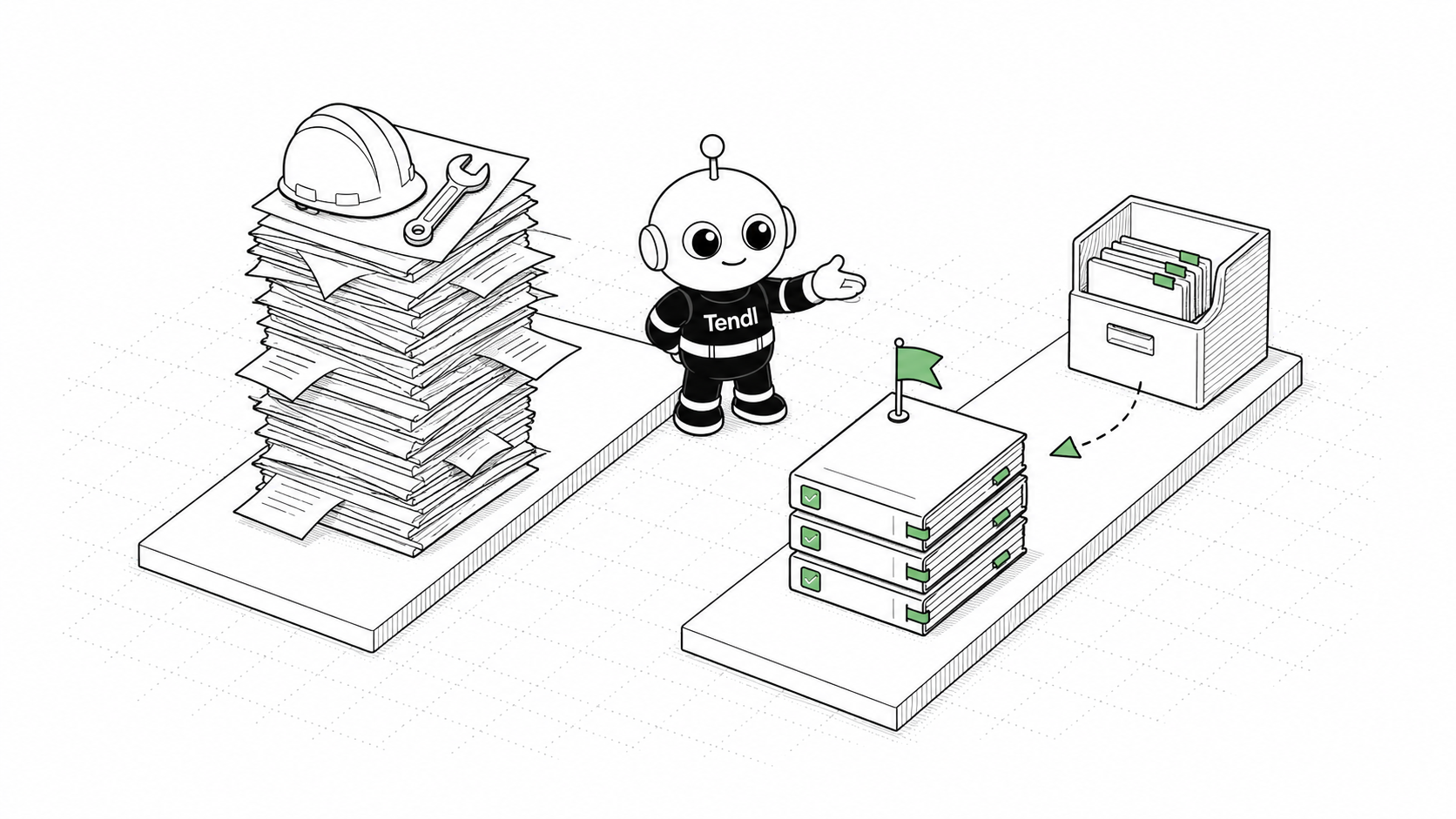
In technical contracting the firm that wins is often not the strongest engineer, it is the one whose bidding carries less friction and reuses proven positions instead of rebuilding them. What separates the consistent winner is a system that holds qualified positions and evidence in one place so each response builds on the last.

Structuring Tender Questions for Clearer, More Verifiable Responses
Joint Industry Insight

Structuring Tender Questions for Clearer, More Verifiable Responses

Getting a stronger field of suppliers is decided before any response arrives, in the design of the tender questions and the criteria used to score them. When AI has made polished writing easy to produce, the question set and the rubric are what separate a capable supplier from a confident one, and what attract serious suppliers to bid in the first place.

The tender dip is built during your busiest months
Insights

The tender dip is built during your busiest months

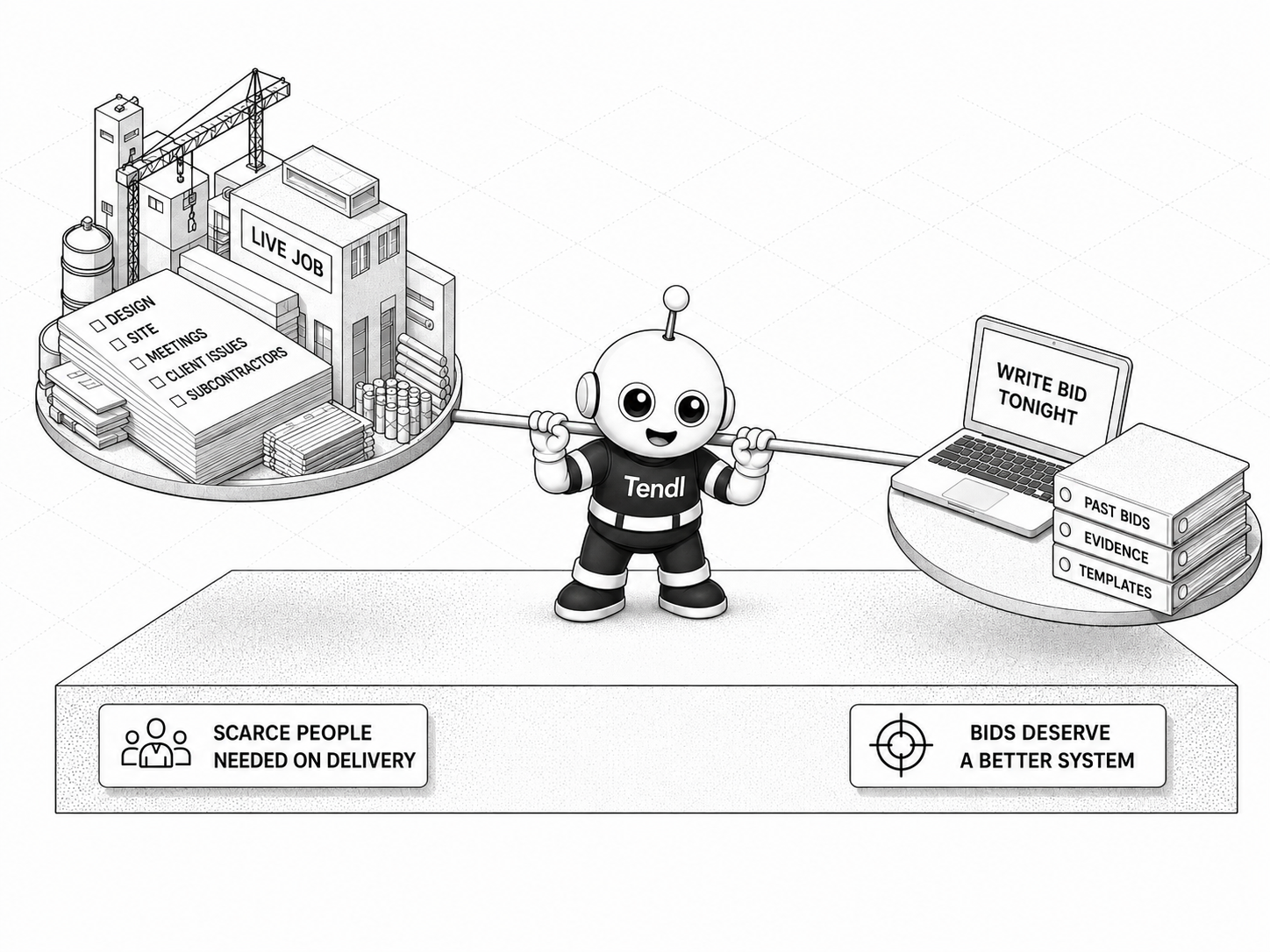
The tender dip is the revenue trough that follows a strong run of wins, and it is built during the busiest months rather than caused by a soft market. Bidding and delivery compete for the same senior people, so when work lands the bidding quietly stops, and the pipeline that was never fed shows up as a gap a quarter later.

Anonymity cuts both ways: what Section 94 means for supplier qualification in UK public infrastructure
Press Coverage

Anonymity cuts both ways: what Section 94 means for supplier qualification in UK public infrastructure

Laurie Nicol writing in New Civil Engineer on what Section 94 of the Procurement Act 2023 means for suppliers competing in UK defence, nuclear, and critical infrastructure.

Saying no to the wrong bid is harder than writing the right one
Insights

Saying no to the wrong bid is harder than writing the right one

Most tendering functions know which bids they should not be entering. The qualification meeting still ends in yes, because saying no fights three hardwired commercial biases in real time, in front of the team.

Stay ahead of the curve.