The tender dip is built during your busiest months
The tender dip is the revenue trough that arrives a few months after a strong run of wins. Work lands, the team turns to delivery, and bidding quietly stops.
Nobody decides to stop. It simply loses the competition for time. Then delivery winds down, and the pipeline that went unfed during the busy period shows up as a gap in revenue later on.
Some teams read that gap as a market problem. Demand softened, the sector went quiet, a few large opportunities slipped away. The more uncomfortable reading is that the dip was self-inflicted, and that it was built during the months the business looked healthiest.
The tender dip is a capacity problem
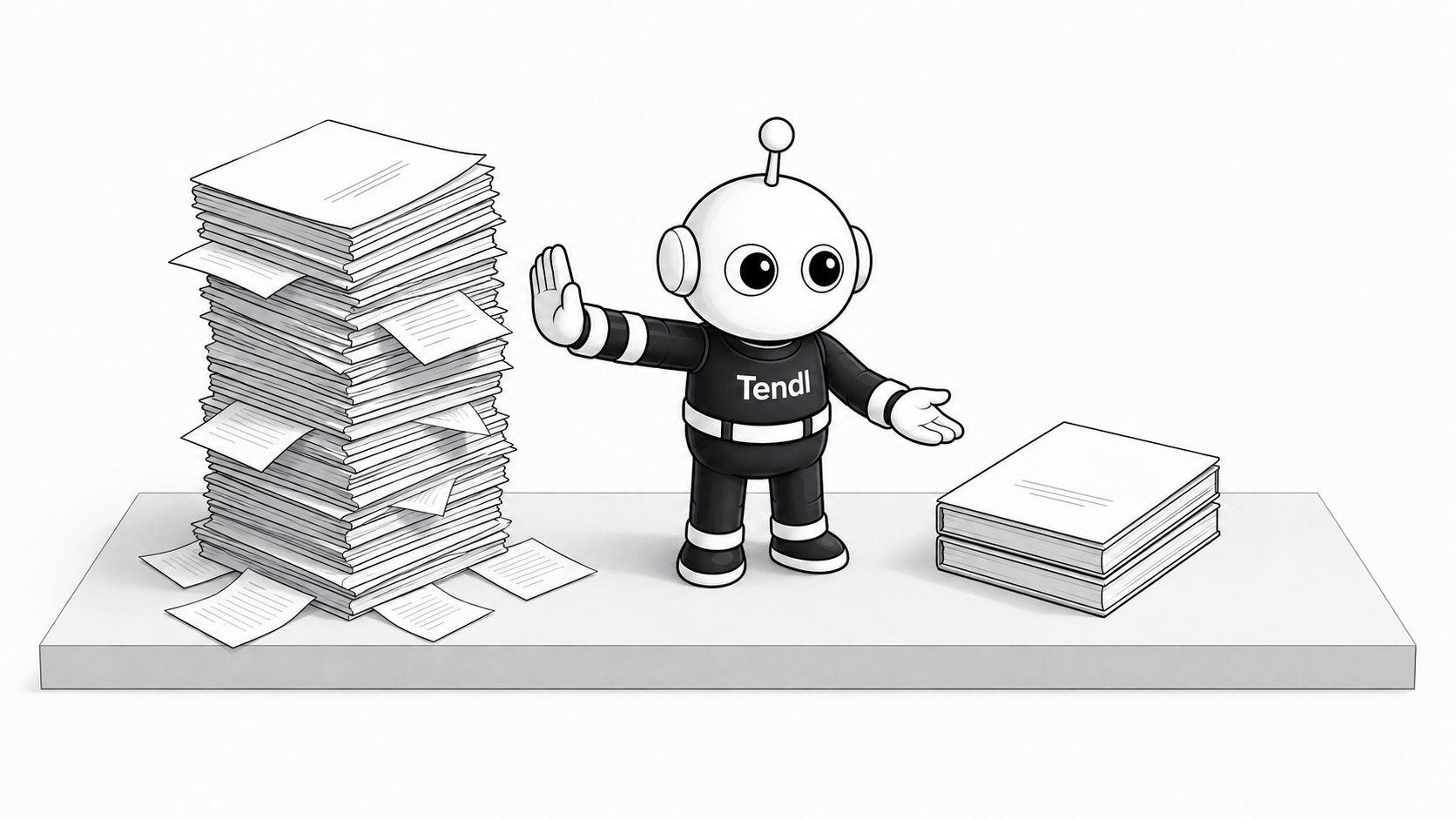
The tender dip forms because bidding and delivery draw on the same people. The senior staff who write the credible technical answer, who own the client relationship, who can speak to delivery risk, are the same staff a live project needs most. When delivery peaks, bidding is the activity that gives way, because it carries no invoice yet.
This shows up clearly in the data. QorusDocs research published in 2026 found most organisations were unable to respond to between 10 and 20 percent of incoming RFPs because of time or resource constraints, while proposal teams absorbed workload spikes of 25 to 50 percent. The firm’s chief executive put it plainly: time, not intent, has become the primary constraint for modern proposal teams.
Intent is rarely the issue. The team knows the opportunity is worth pursuing. It just has nobody free to pursue it that week.
Why the tender dip shows up months later
The tender dip surfaces late because the cost of a skipped bid is invisible at the time. The opportunity declined in March because the team was buried does not register as a loss in March. It registers in July, as an award the business was not part of, and a quarter with less work than the one before it.
That delay is what makes the dip so persistent. The decision to stop bidding and the consequence of stopping sit months apart, so the link is easy to miss. By the time the trough is obvious, the bids that would have filled it have already closed.
How to keep bidding when delivery peaks
The tender dip flattens when bidding stops competing with delivery for the same scarce hours. That is a question of what each bid costs the business to produce, measured in senior time rather than in days on a calendar.
This is where Tendl operates, as infrastructure underneath the pursuit rather than as a simply faster way to write. AI handles the grunt work of requirements analysis, first drafts, and internal coordination. Institutional memory means the team assembles a response from governed, approved evidence it already owns, instead of rebuilding the same answers under pressure. Human judgement stays where it belongs, on qualification (although we can assist with that also) and on the delivery you set out to do in the first place.
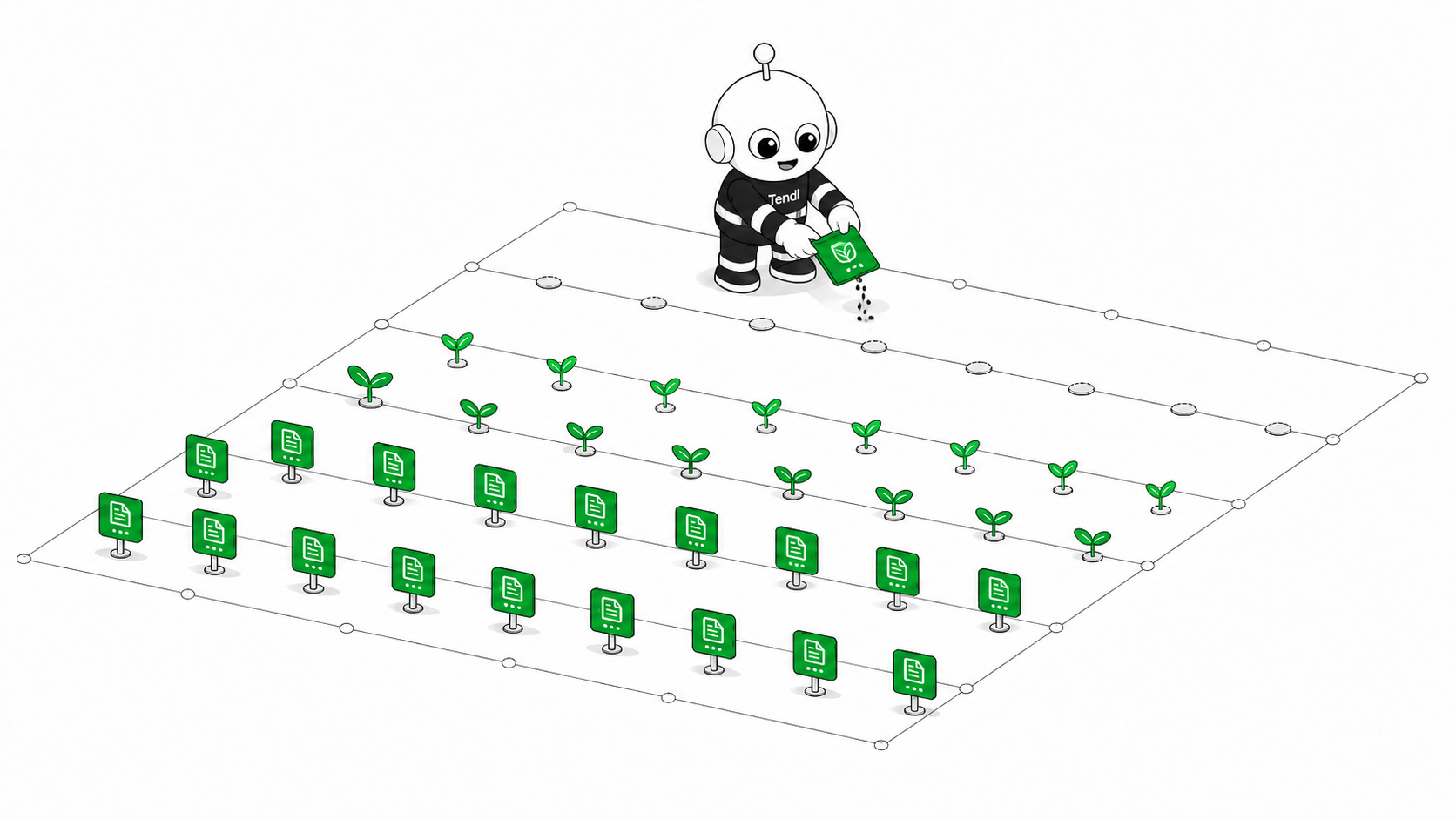
When the cost of each bid falls, bidding survives the busy period, and the pipeline keeps being fed through exactly the months it used to go dark. Loopio’s 2026 benchmarking found that teams using response automation submitted more responses across the year without the usual toll on wellbeing, with a higher share reporting their workload stress stayed manageable. Capacity is the lever. Those teams are not bidding through sheer effort, they are spending far less senior time on each response.
Why more bids only help when qualification holds
Bidding more is an advantage only when the additional bids are good ones. Capacity that simply lets a team chase everything will lower the win rate and waste the time it just freed. The same Loopio research found go/no-go discipline slipping as submission pressure rises, which is the trap to avoid. Freed capacity should buy more of the right bids, qualified with the same discipline as before, not an indiscriminate increase in volume.
Held to that standard, the tender dip turns out to be optional. It exists because bid capacity is fixed and gets consumed by delivery the moment work lands. Lower what each bid costs to produce, keep qualification intact, and the most important revenue channel the business has keeps feeding itself through the busy months instead of starving in them.