
Evaluators Are Not Looking for the Best Bid. They Are Looking for the Safest One.
Most suppliers write to impress. Evaluators score to reduce risk. Understanding that distinction is where win rates actually change.
Analysis on how buyers decide, and how qualification, risk, and positioning actually drive win rates.
Most suppliers write to impress. Evaluators score to reduce risk. Understanding that distinction is where win rates actually change.
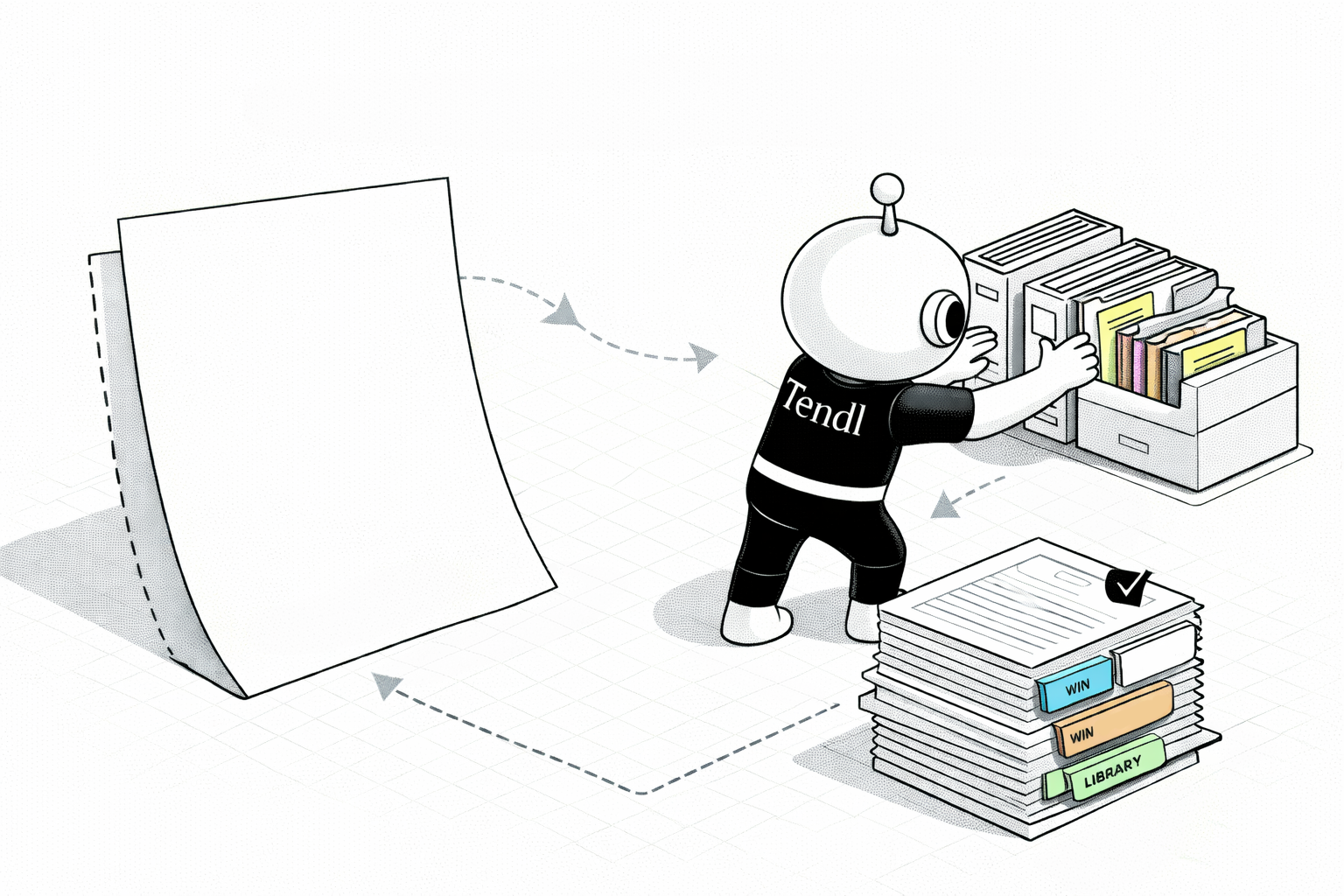
Copy-paste reuse saves time. Compounding increases win probability. Most teams confuse the two.
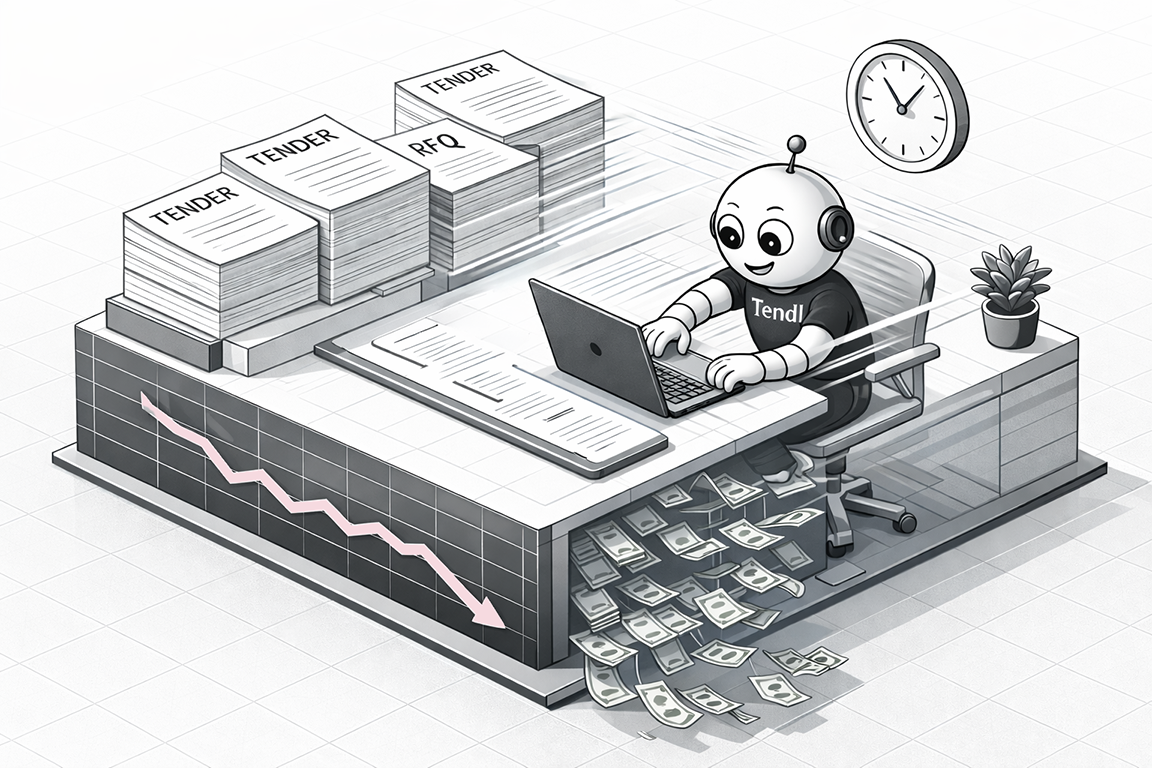
Fixed licences no longer match how AI-assisted tendering software actually costs or how bid teams actually work. We’re changing that. No more platform fees. No more seat costs. Pay only for what you use.
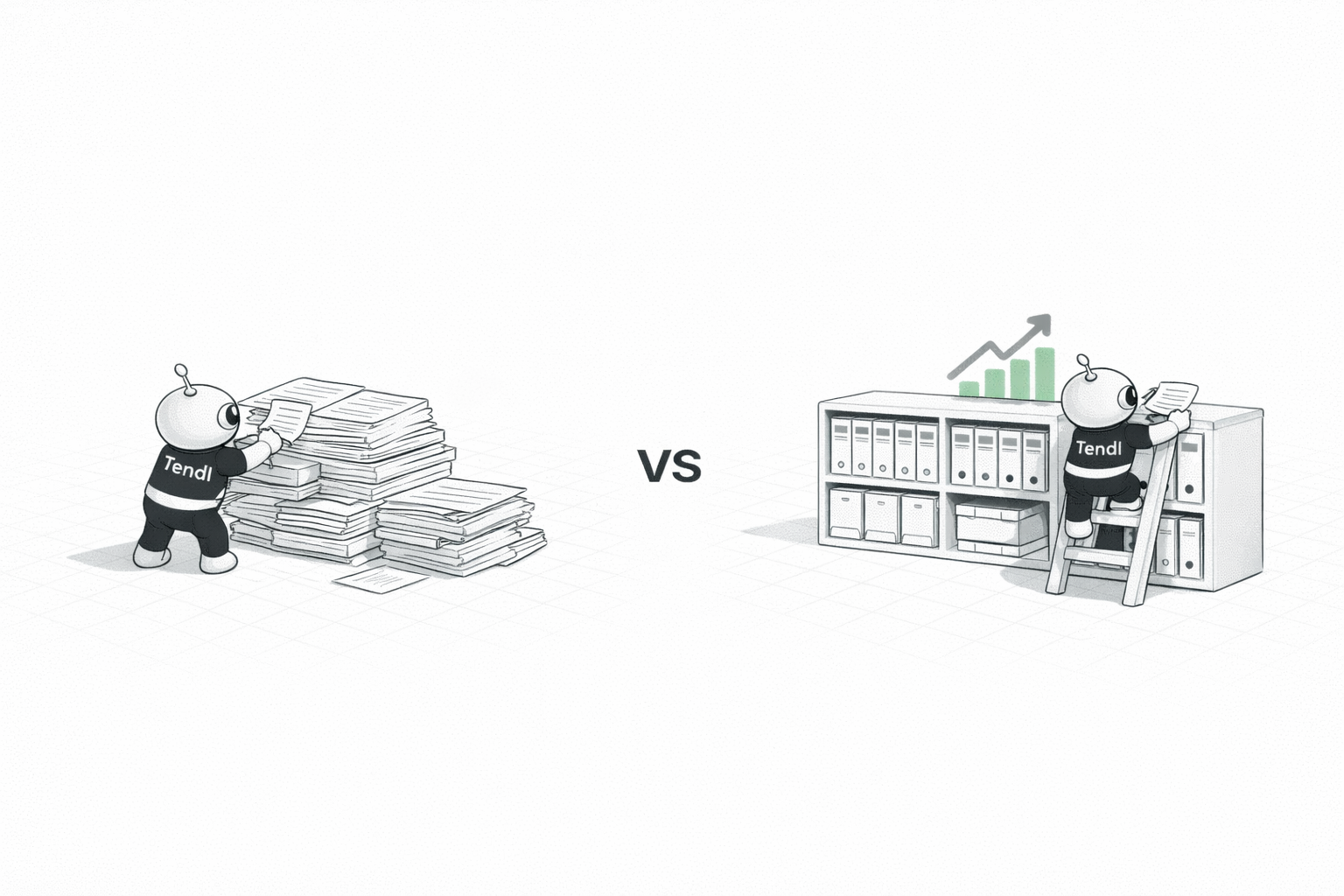
Most bid teams do not have a writing problem. They have a memory problem. If your best answers are buried in folders, you have storage, not institutional memory.
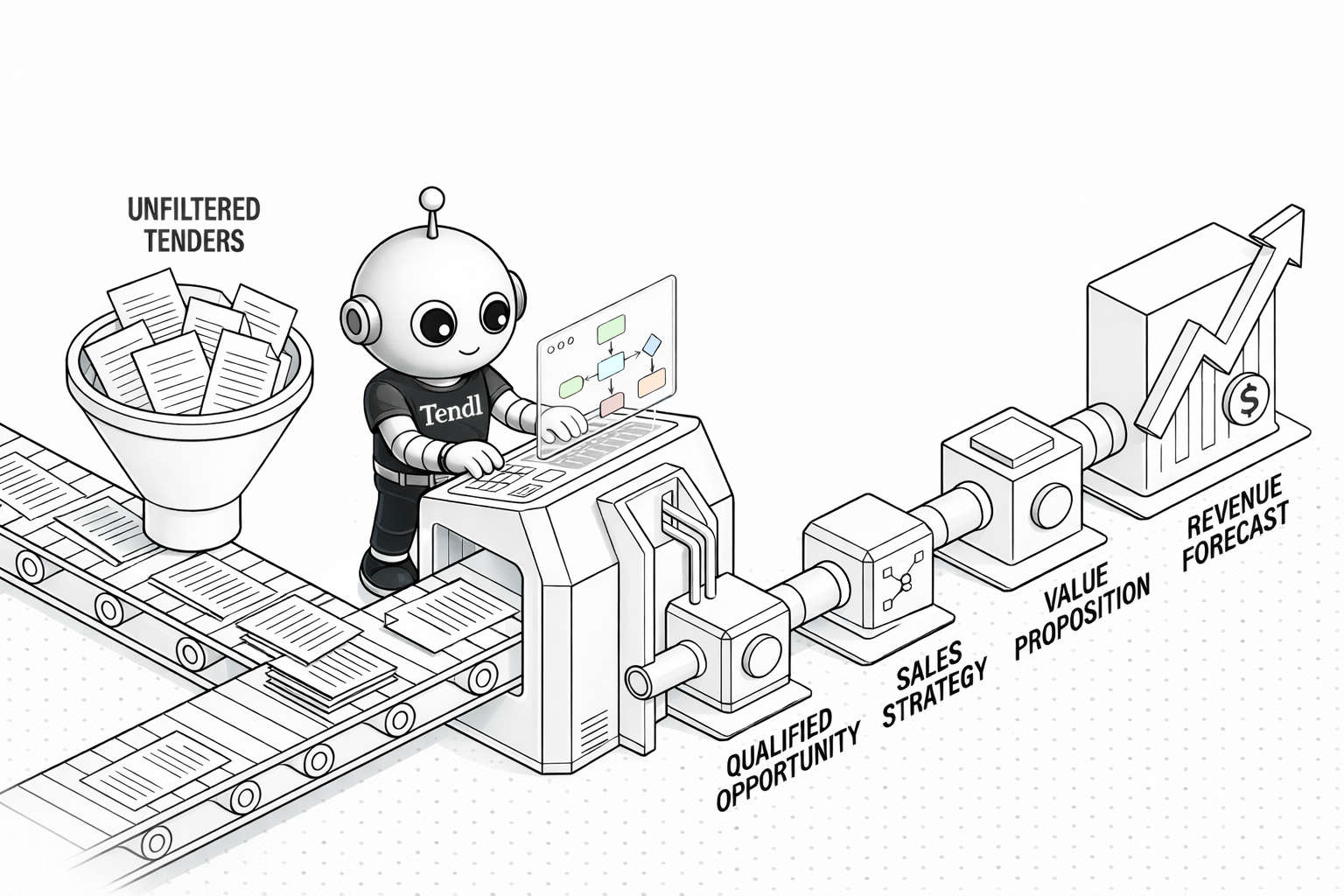
Writing efficiency reduces cost. Planning increases win probability. In tendering, probability movement drives revenue.
AI accelerates output, but it does not fix weak qualification or positioning. It multiplies whatever system your bid team already runs.
Speed reduces cost, but it does not guarantee revenue. Weak positioning and poor qualification override drafting efficiency.
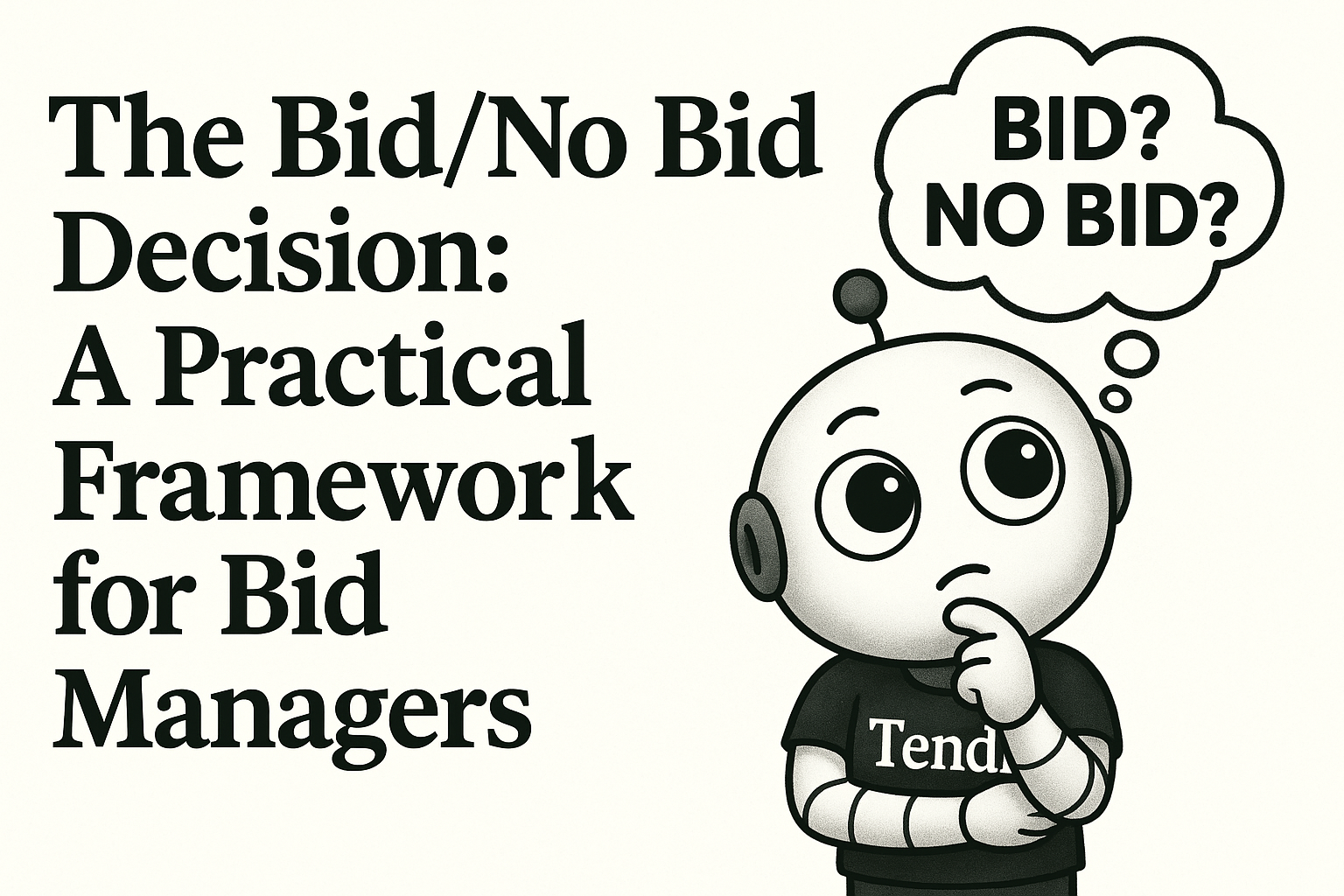
A practical, data-driven framework to help bid managers make better go/no-go decisions and stop wasting effort on unwinnable tenders.
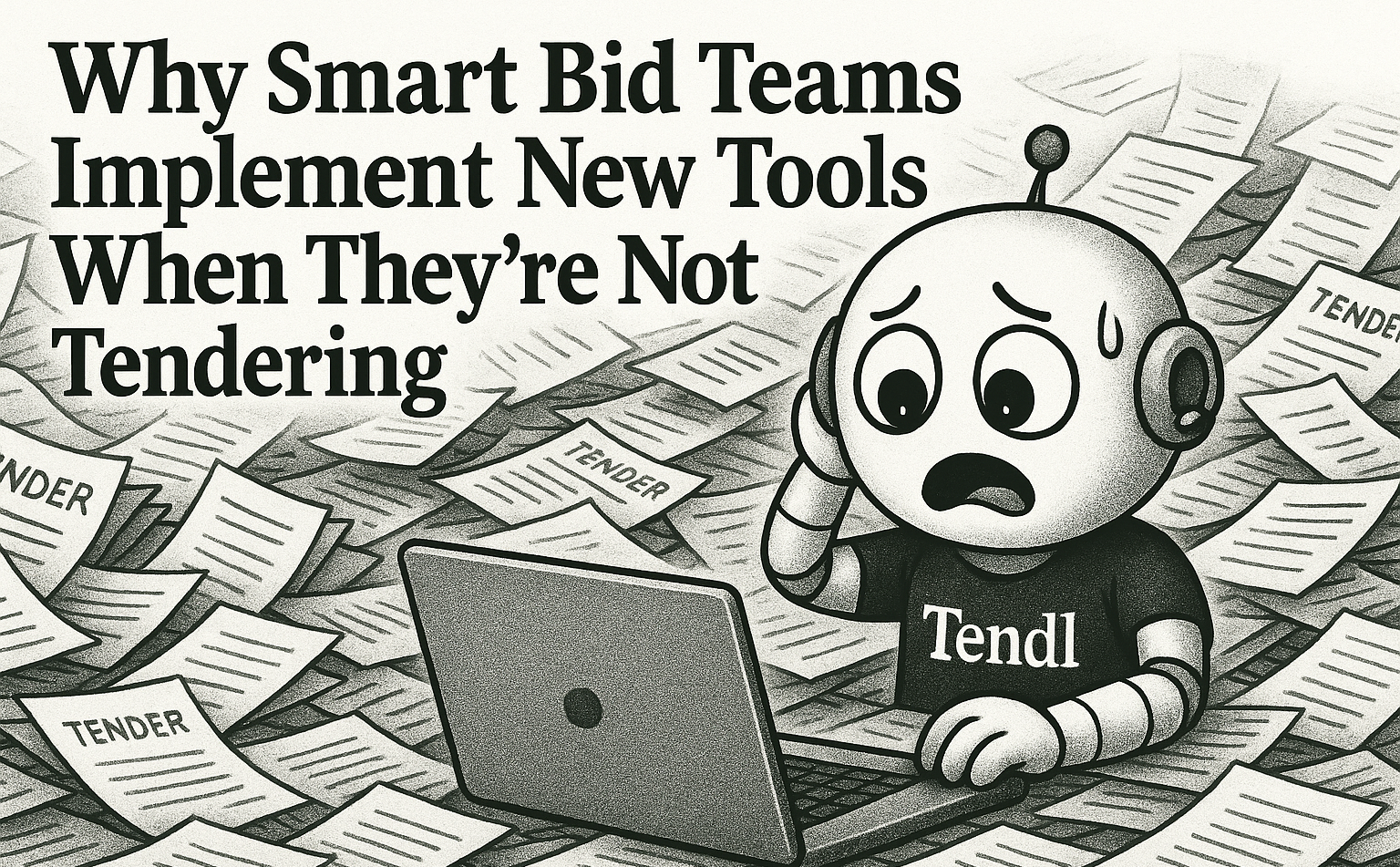
Implementing new systems during live bids increases risk. Here’s why timing matters for adoption and ROI.
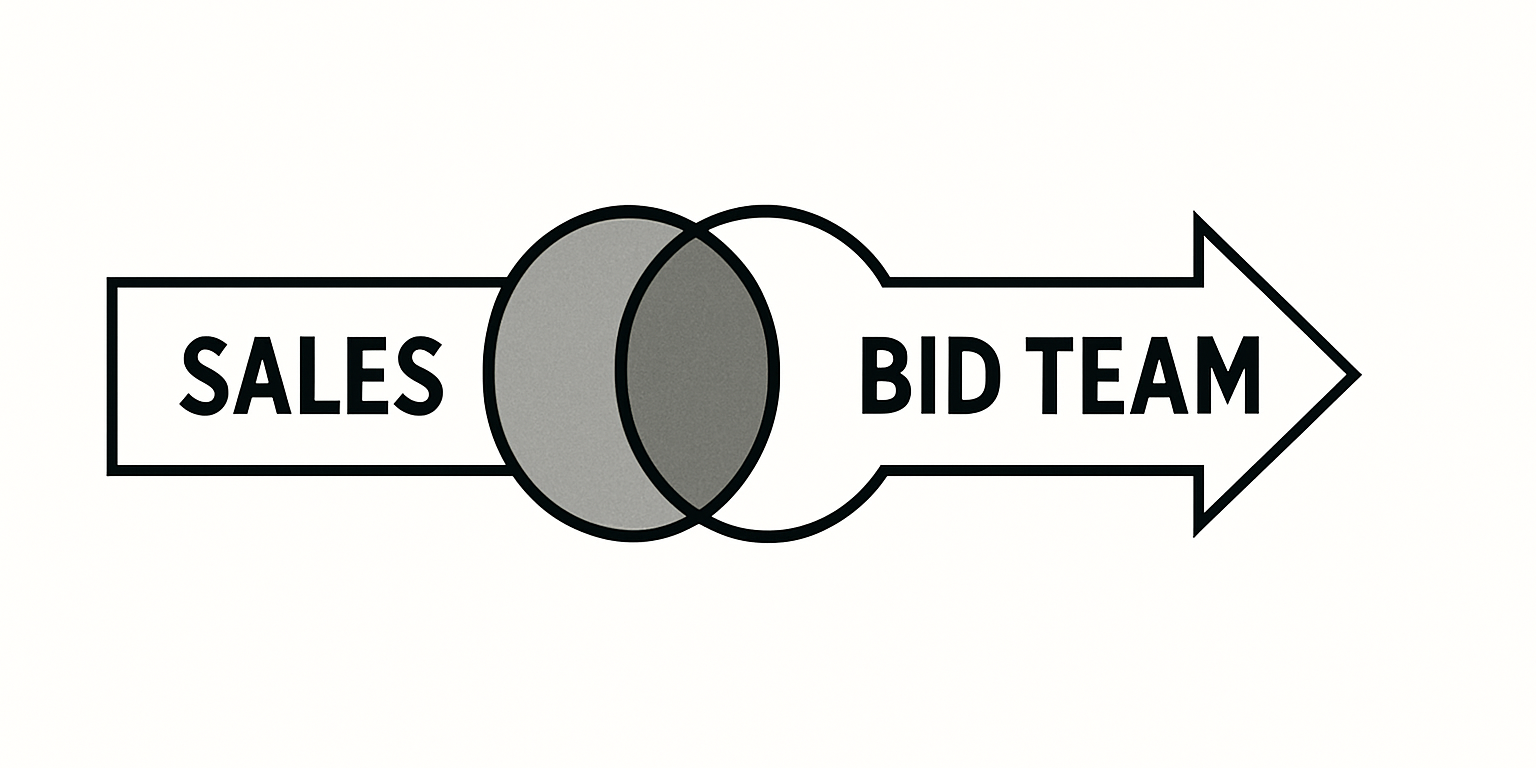
The quality of your tender response is determined before writing starts. Sales and bid alignment is the hidden driver of stronger submissions.
AI can improve tender writing, but only within clear boundaries. Understand its limits and how to use it responsibly.
AI can dramatically speed up contract review, but only if you understand the trade-offs between time, quality, and risk.
Supporting evidence is only valuable if it’s structured and current. Learn how to store it for reuse and AI accuracy.
AI has clear strengths in tender writing, and clear limitations. Understand both before you rely on it.
Most companies overcomplicate AI strategy. Here’s a practical approach that focuses on infrastructure and outcomes.
AI can do more than draft responses. Learn how to use it to strengthen qualification, structure, and institutional memory.
Your response library is your competitive advantage. Learn how to structure and govern it so AI enhances, not dilutes, your bids.